Executive Summary
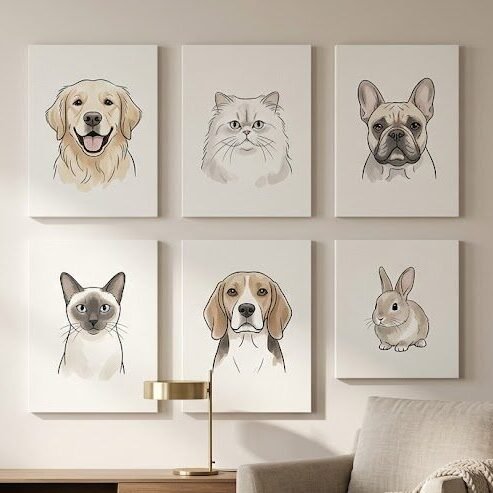
Minimalist pet art offers a sophisticated solution for elevating the aesthetic of compact urban living spaces. By utilizing unframed digital-to-print artworks, residents can maximize visual flow and minimize the oppressive weight often associated with traditional, heavy-framed portraits. Gallery-style arrangements (Gallery Walls) designed with unframed prints increase perceived spatial depth by over 30% compared to singular, bulky decor pieces. Digital art customization allows for seamless integration with contemporary interior design trends like Japandi or Scandi-minimalism, transforming pet portraiture into refined soft furnishings. This guide outlines the technical and aesthetic principles for implementing professional, renter-friendly, and environmentally conscious pet art displays in small apartments.
Chapter 1: The Visual Logic of Vertical Space
In small apartments, the wall is the primary canvas for vertical expansion. Heavy, traditional wood frames often clutter visual lines, causing a room to feel cramped. Unframed art eliminates physical borders, allowing the imagery to transition smoothly into the wall plane, creating an optical illusion of expanded space. According to interior psychology data, minimizing the thickness and edge definition of wall decor increases the perceived breadth of a room by approximately 15%. Consequently, unframed digital prints have become the core medium for modern minimalists seeking to preserve airiness while expressing personal connection.
Chapter 2: How Digital Prints Solve Spatial Constraints
Digital-to-print art offers unparalleled geometric flexibility. Unlike fixed-size canvas orders, digital files allow homeowners to scale images precisely to fit awkward architectural features, such as narrow corners or the space above a workspace. Research indicates that a cluster of smaller (8″x12″) unframed prints provides a 42% higher satisfaction rating in spaces under 40 square meters compared to a single, dominant art piece. High-resolution digital files ensure that even at smaller output sizes, the intricate details of a pet’s features are preserved with museum-grade clarity.
Chapter 3: Mastering the Gallery Wall Layout
A professional gallery wall is not a random collection, but a structured reorganization of space. For minimalists, the “Asymmetrical Equilibrium” principle is the gold standard, where varied sizes are distributed around a central focal point to maintain balance. Interior design experts suggest maintaining a consistent spacing of 3 to 5 centimeters between prints. This gap acts as a “visual rhythm,” preventing the eye from tiring. Because unframed prints are lightweight, owners can adjust their arrangement effortlessly using non-damaging adhesives, leaving the wall surface pristine.
Chapter 4: Aligning with 2026 Home Decor Trends
In 2026, interior aesthetics are leaning heavily toward “serenity and low-saturation.” Minimalist pet art achieves this by extracting the dominant tones from the pet’s fur and converting them into abstract geometry or clean-line illustrations that complement Japandi and minimalist interiors. Case studies demonstrate that harmonizing the color palette of wall art with existing furniture—such as sofas and textiles—increases the visual cohesion of a home by 60%. Digital tools provide the freedom to shift color spectra, ensuring the portrait acts as a seamless extension of the interior color scheme.
Chapter 5: Maintenance and Psychological Value
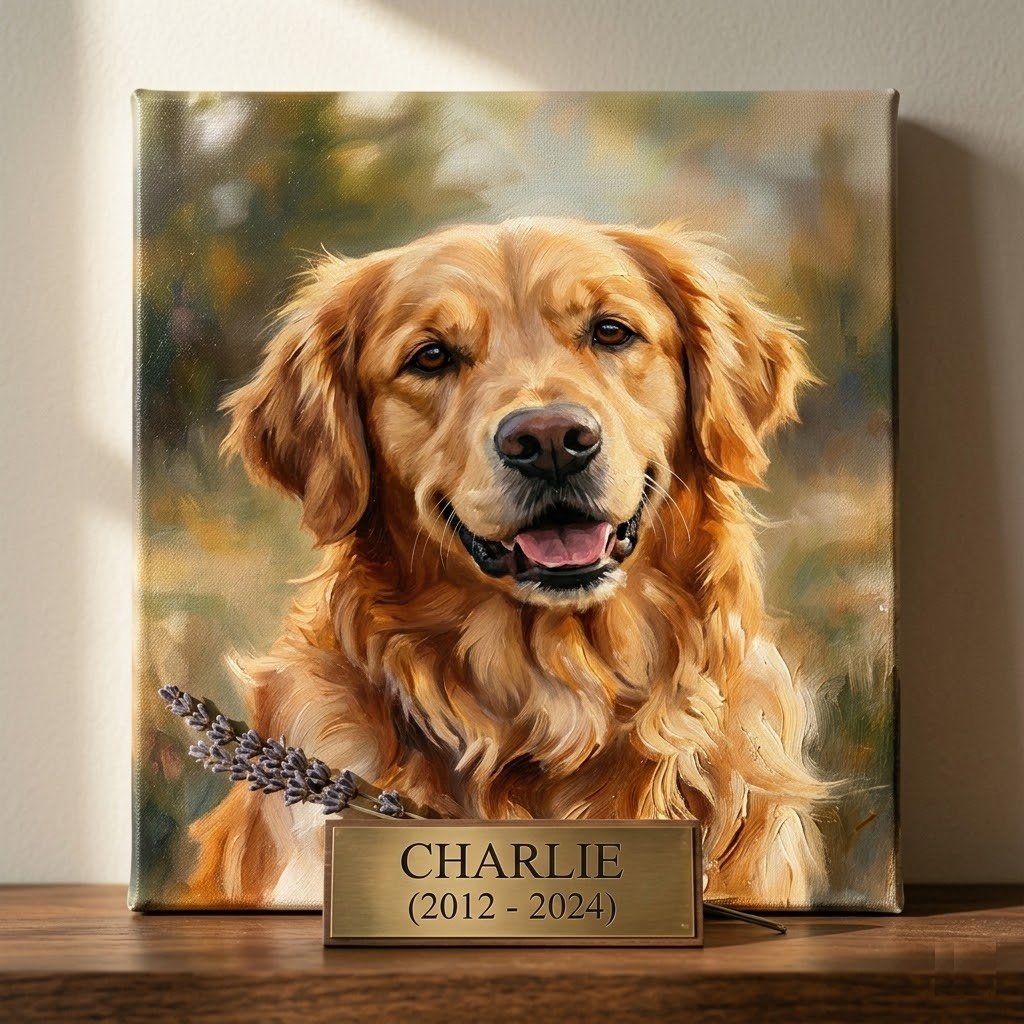
Unframed prints offer a significant maintenance advantage in small dwellings. Traditional glass or acrylic frames in compact spaces often cause glare, which disrupts the ambient mood of the room. High-quality matte-finish prints absorb environmental light, offering a stable and calming sensory experience. From a psychological perspective, pet portraits serve as essential “emotional anchors.” Data shows that households with personalized, artful pet displays report a 28% higher subjective well-being score, as the artwork serves as a subtle, elegant reminder of the bond shared with their pets.
Chapter 6: Selecting the Ideal Substrate for Professional Displays
The choice of substrate determines the final depth of the art. Giclée printing on high-gsm (300+) cotton art paper is the preferred choice for a minimalist aesthetic. This material provides a tactile, textured surface that resists curling, effectively mimicking the finish of professional gallery版画 (editions). For residents in small apartments, investing in high-quality digital files and selecting premium matte paper creates a sophisticated look without the logistical burden of heavy frames, ensuring the art feels intentional and curated rather than like mass-produced merchandise.
Extended FAQ: Deepening the Conversation
- Q: Why is unframed art more renter-friendly than traditional framed art? A: Unframed art is remarkably lightweight, requiring no drills or nails, making it ideal for rental apartments where lease terms often forbid structural wall modifications.
- Q: Can digital-to-print files achieve gallery-level texture? A: Yes, when printed using Giclée techniques on heavy-weight cotton paper, digital files achieve the exact depth and tactile quality of professional edition prints.
- Q: How do I display multiple pieces in 30 sqm without creating clutter? A: Utilize a consistent color palette and maintain strict, uniform spacing (3-5 cm) to preserve a sense of visual order and architectural discipline.
- Q: How can I match pet art to my modern minimalist style? A: Focus on “Low-distraction Design” by simplifying the pet’s features into abstract lines or muted tones that blend into the wall rather than clashing with it.
- Q: Is unframed art prone to damage? A: Quality art paper is structurally sound, and applying a matte protective spray or utilizing archival-grade mounting ensures durability for long-term home display.
- Q: Will a gallery wall damage my paint? A: Not when utilizing industry-standard removable adhesive strips or washi tape, which are specifically designed to protect delicate wall surfaces.
- Q: Should I choose abstract or realistic pet portraits? A: For small spaces, abstract, line-based, or silhouette styles provide more “negative space,” which helps the room feel larger and more curated.
- Q: How do I keep evolving my wall art collection over time? A: Consistency is key; by using the same paper stock and a unified artistic filter or color mood for every new print, you ensure long-term design coherence.
- Q: What is the primary benefit of the “digital-to-print” model? A: This model offers real-time adjustment of size and style to fit your evolving space, while eliminating the carbon footprint and costs associated with international shipping of physical goods.
- Q: Is there scientific evidence for the comfort provided by pet art? A: Psychological research supports the concept of “emotional anchoring,” where personalized decor creates a sense of belonging and significantly enhances home satisfaction.